
About Preventive Medicine
Preventive medicine focuses on identifying and addressing health risks before disease progresses. This sector examines screening, imaging and biomarker research, alongside clinical evidence, reimbursement and the financing of preventive services.
The sector connects assessment with the care that follows. It includes diagnostic laboratories, screening providers, imaging services and teams that help people understand and manage health risks. Some services operate through health systems, while others serve employers or individuals directly. These settings have different audiences and practical requirements. A useful description of a preventive service explains who it is designed for, what it is intended to identify and how a person moves from an initial assessment to an appropriate next step.
Testing is one part of that service. Providers also need ways to explain results, arrange further assessment when appropriate and support continuity of care. For example, a screening business may depend on laboratories for analysis and clinical partners for interpretation and follow-up. The quality of those connections matters to the overall offering. When comparing preventive businesses, it helps to look at the complete service a person receives, including communication and follow-up, rather than counting the number of tests included in a package.

Evaluating early detection
The value of a screening or predictive test depends on the evidence and the care that follows it. Discussion includes accuracy, follow-up pathways, clinical utility and the economics of delivering preventive services through health systems, employers and other providers.
Earlier detection is an aim, but it is not enough on its own to establish the value of a screening programme. The intended population, the reliability of the test and the consequences of a result all need consideration. False alarms and unnecessary follow-up can also affect people. Evidence about benefits and harms helps distinguish a well-supported screening service from a broad promise that more testing must lead to better health.
The operating model should explain how the service can be maintained. Who pays for the initial assessment? Who provides the follow-up? How are clinical responsibilities shared between an employer, a testing provider and a healthcare team? These questions connect the medical purpose of prevention with its delivery. At GLIF, they give clinicians, founders and investors a concrete basis for discussing services, partnerships and the practical work needed to support people beyond a one-off appointment.
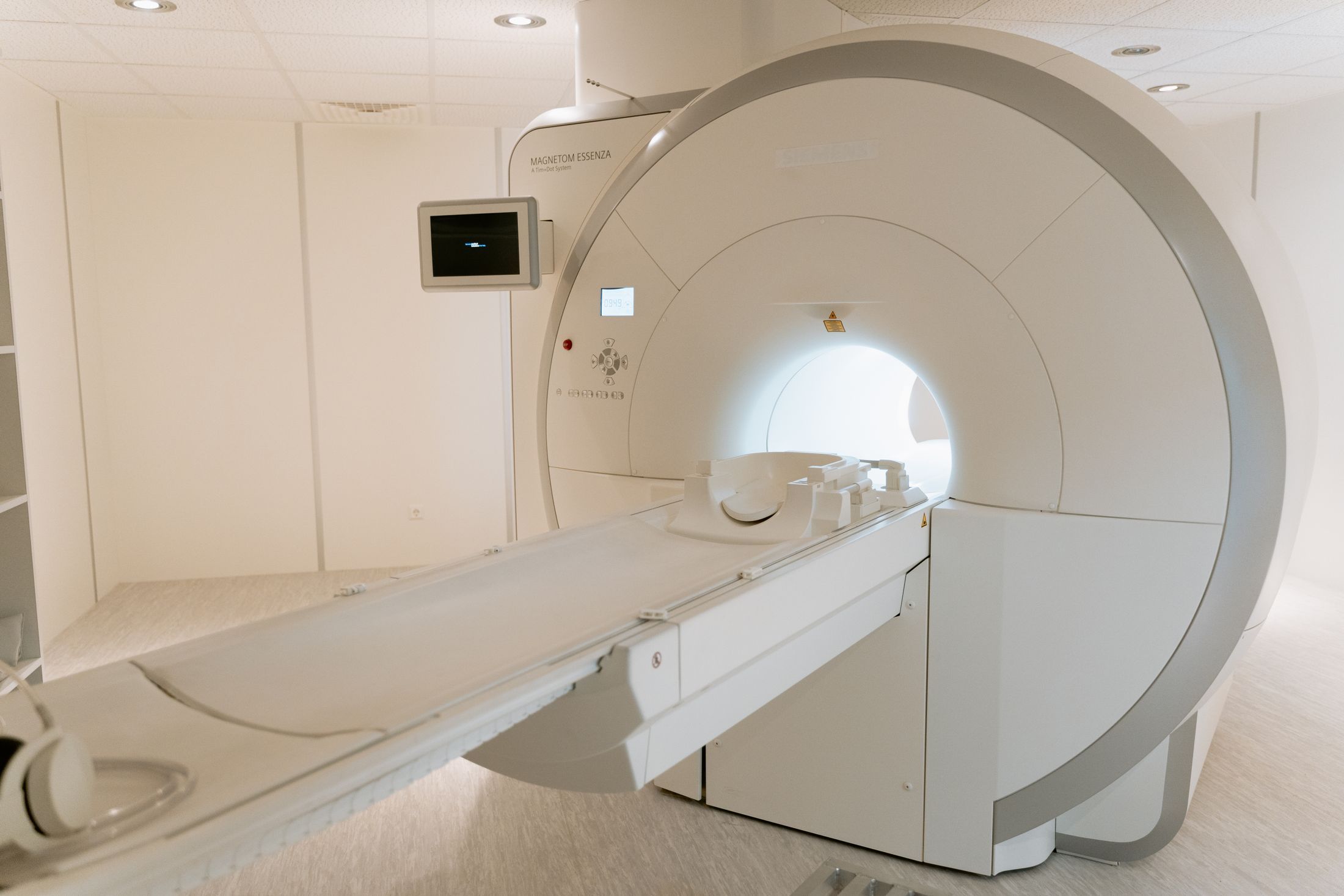
Key Thematic Areas
- Population screening and national prevention programmes
- Cancer screening pathways, recall and follow-up
- Biomarker validation and clinical utility evidence
- Advanced imaging and AI-assisted interpretation
- At-home sample collection and self-testing
- Occupational and executive health screening

Possible discussion formats
- Deal Room – proposed meetings between investors and relevant businesses or projects, subject to programme curation.
- Evidence Sessions – clinical and health economic findings on what early detection delivers at scale.
- Policy Roundtables – closed discussions between health authorities, insurers and regulators on reimbursement for prevention.
- Technology Showcase – demonstrations of screening platforms, imaging systems and point-of-care devices.
- Signature Report – the planned Dubai Longevity Economy Report will examine longevity trends, technologies and investment opportunities.

Relevant Perspectives
- Public health agencies and national screening commissioners
- Insurers, reinsurers and employer benefit purchasers
- Diagnostics, imaging and medical device manufacturers
- Laboratory network operators and pathology service providers
- Health technology assessment and reimbursement bodies
- Specialist diagnostics investors and strategic acquirers
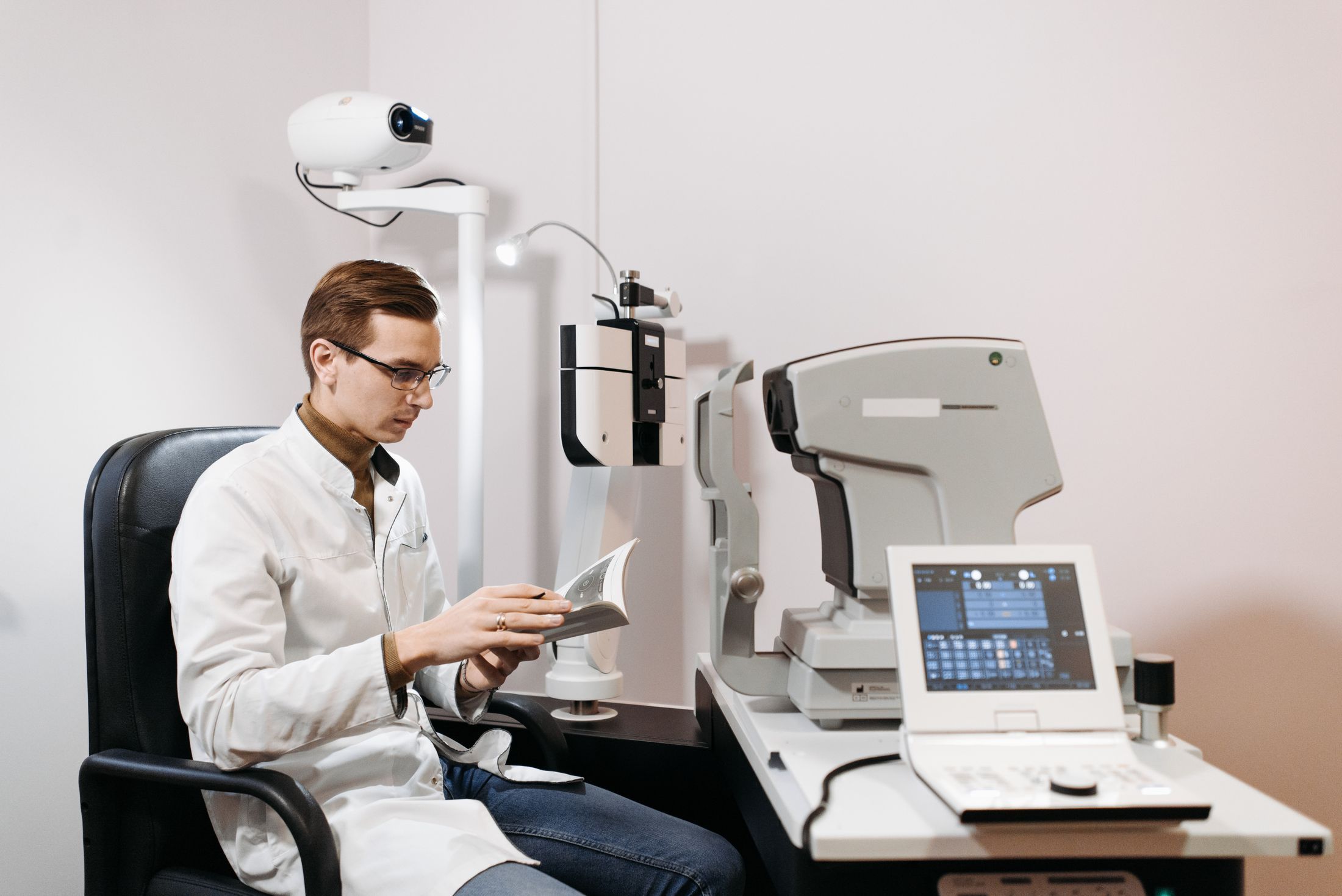
The Future of Preventive Medicine Investment
- Reimbursement Reform – how payers assess the evidence and costs of preventive services.
- Decentralised Testing – the role of laboratories, pharmacies, workplaces and home-based services in providing access.
- AI-Assisted Triage – how software-assisted interpretation can be evaluated and connected to clinical review.
- Employer-Funded Prevention – how workplace programmes can meet employee needs and provide appropriate follow-up.
- Regulatory Clarity – the evidence and applicable requirements a particular diagnostic service needs to address.
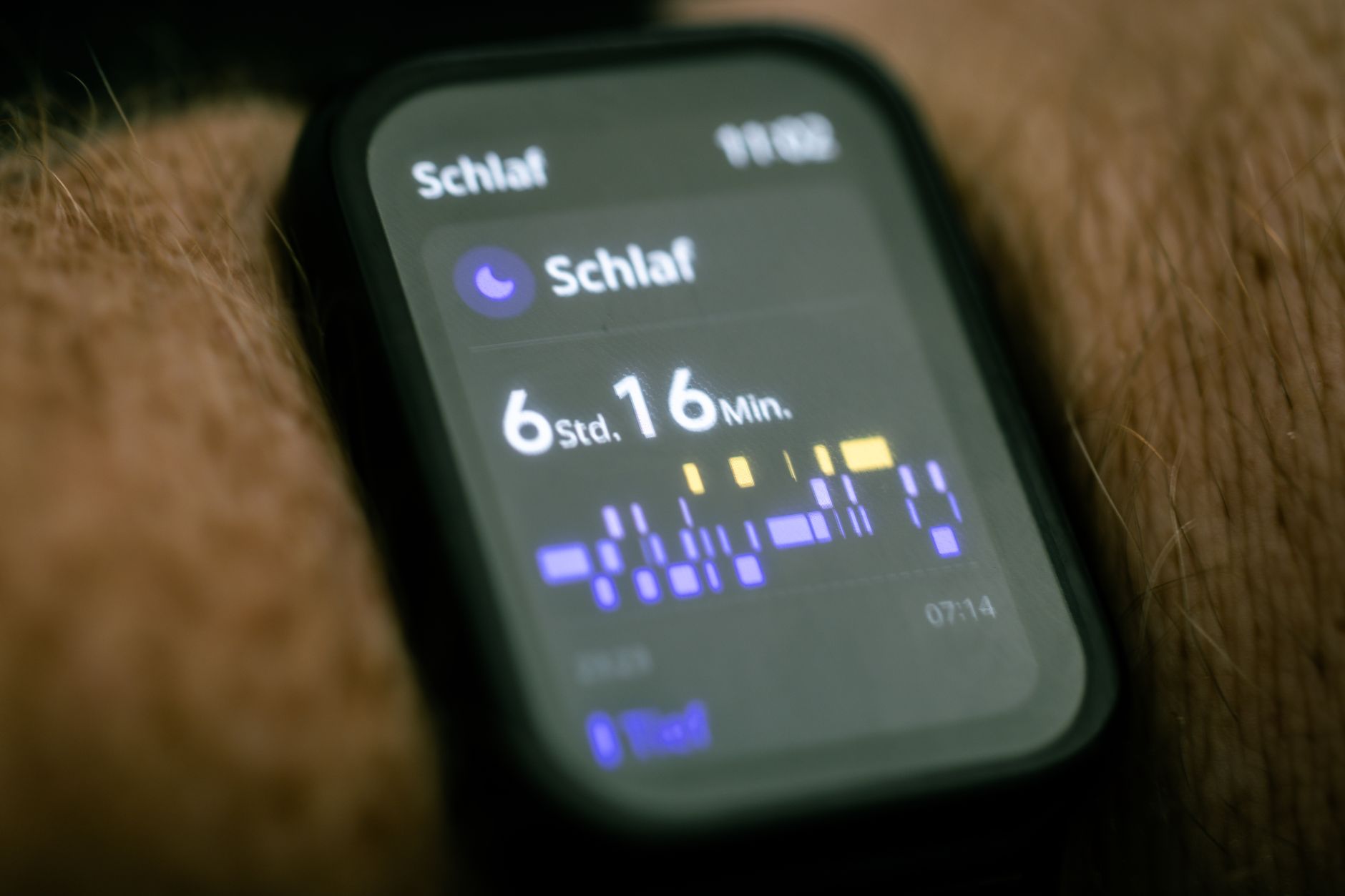
Questions to bring to GLIF
- Which risks does a screening programme aim to identify?
- What happens after a test result, and who provides follow-up care?
- How can a service show that it makes a useful difference to patients?
Global Longevity Investors Forum (GLIF). A Global Investors Forum Platform.
This investment-sector topic connects to the five strategic tracks of the proposed GLIF programme. Explore the agenda for the current programme outline.
Explore the five strategic tracks
Further reading
Why attend
For healthcare providers
Discuss how testing, advice and follow-up can work together as a useful service.
For founders and service operators
Explain who your service helps, how people use it and what it costs to deliver.
For employers, insurers and investors
Ask what evidence supports an approach and how its value could be measured.
Explore at the forum
- How can preventive services reach the people who need them?
- What happens after a test, and who is responsible for follow-up?
- Which payment and delivery models could support ongoing care?
Take part
- Explore prevention topics in the conference programme.
- Ask about joining a roundtable relevant to your work.
- Tell the team which healthcare or business partners you hope to connect with.
Activities are planned. Access depends on your pass, selection where applicable and the final programme.