About Longevity Tourism & Wellness
Longevity tourism brings together medical travel, preventive health and hospitality. This sector covers executive health programmes, diagnostic centres, clinics and retreats serving international patients and visitors.
The sector brings together travel, hospitality and services concerned with health and wellbeing. It covers several distinct kinds of experience: a wellness retreat, an executive health assessment and travel for a clinical service are not interchangeable. Each has its own purpose, providers and responsibilities. Being clear about those differences helps explain the business. It also helps visitors understand what is included, who delivers it and whether an offering is primarily a hospitality experience or part of healthcare.
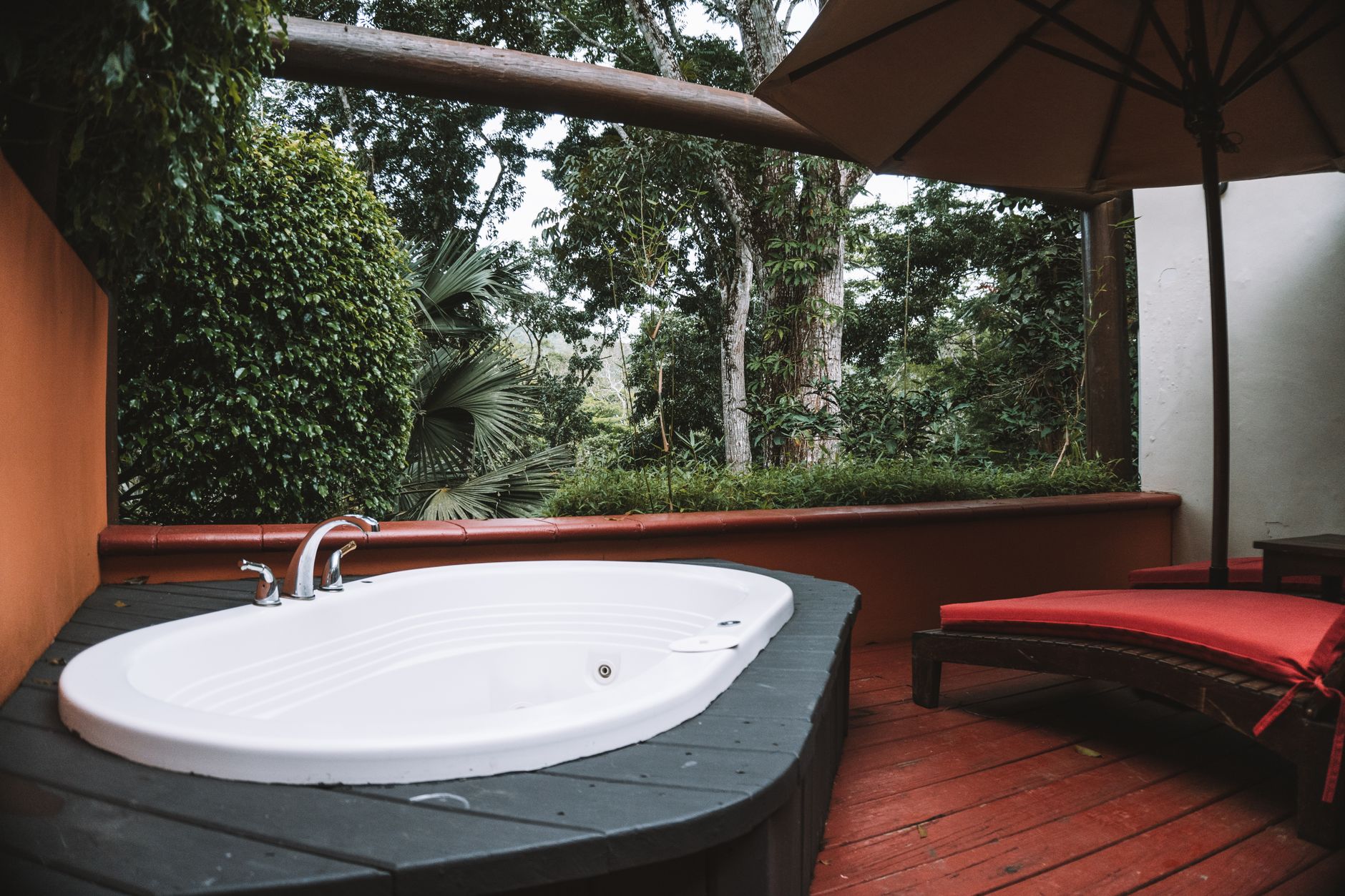
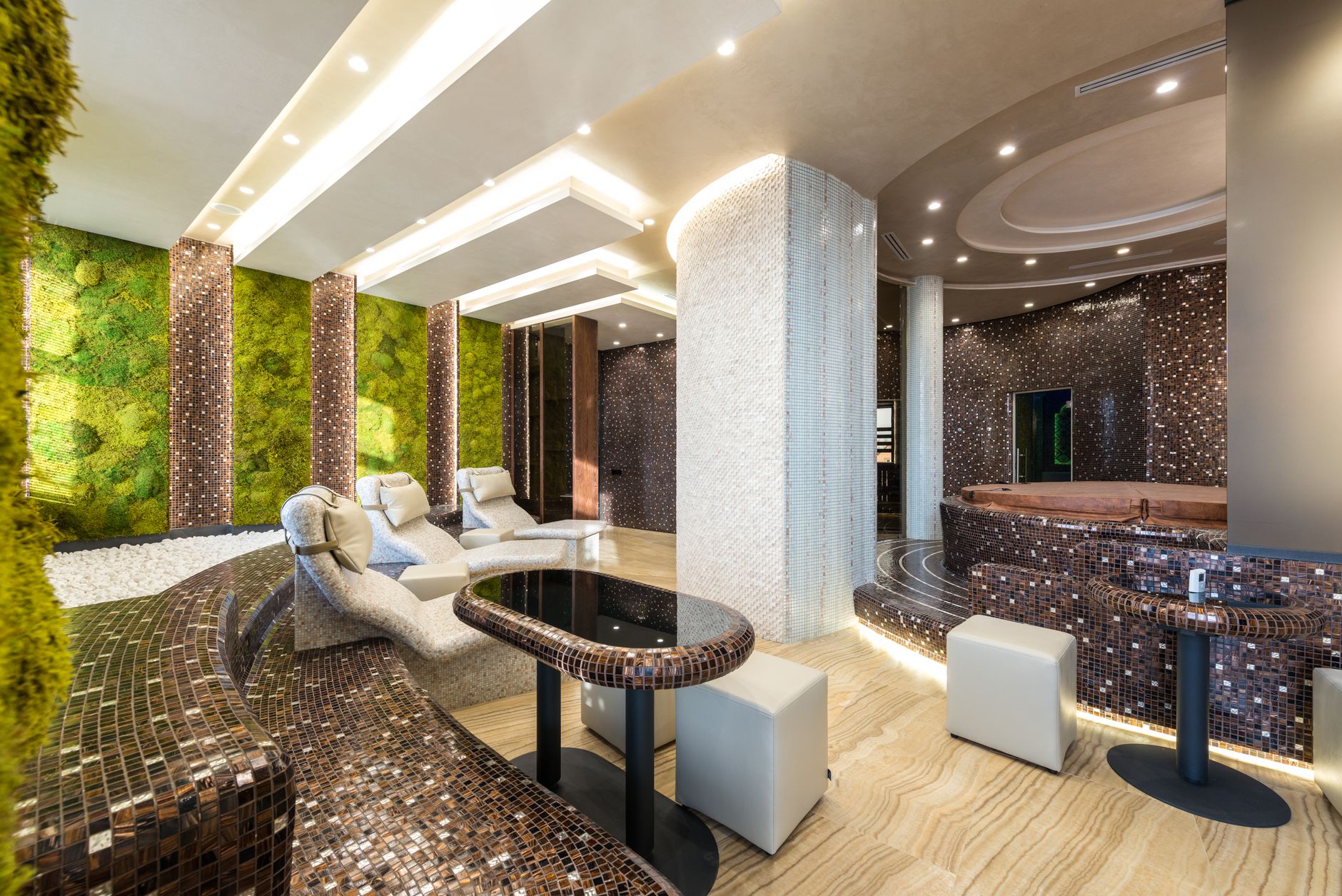
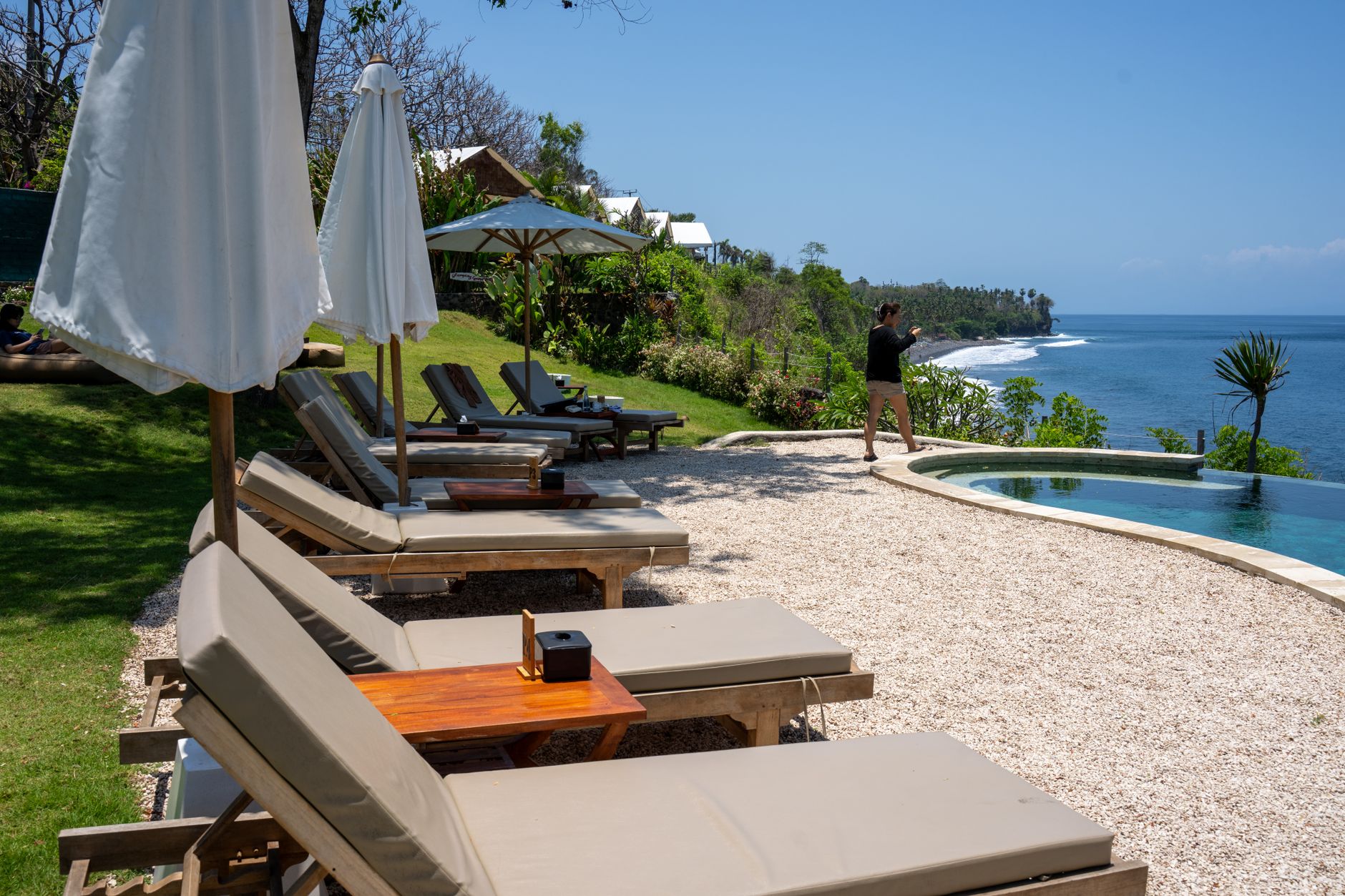
Businesses may work across more than one part of the visitor journey. A hotel can provide accommodation while a separate healthcare organisation delivers clinical services. A specialist operator may coordinate appointments, transport and communication between providers. Other businesses focus on the retreat itself, including spaces and services for rest and wellbeing. The partnerships behind an offering should make those roles clear. They shape both the experience of a visitor and the practical requirements for staff, facilities and ongoing support.
Care across borders
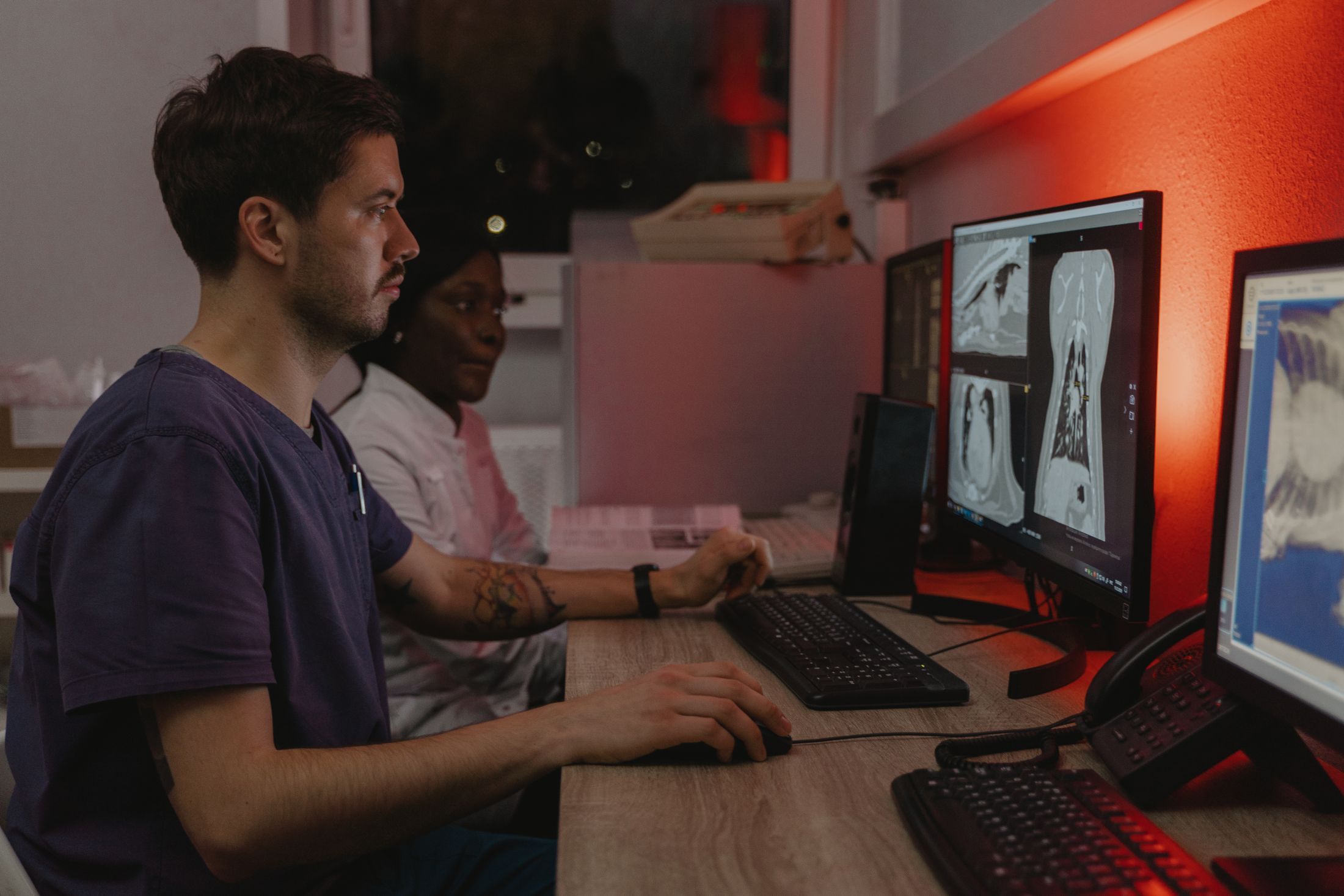
For a patient travelling for care, the experience continues beyond the visit. Follow-up, clinical standards and the handling of medical information are part of the service. Operators and investors also need to consider staffing, facilities and the relationship between healthcare and hospitality.
For travel that includes healthcare, the visit is one stage in a longer relationship. Information may need to pass between the destination provider and a person’s usual healthcare team. Follow-up arrangements and access to records therefore deserve attention alongside the appointment itself. The CDC’s medical tourism guidance identifies continuity of care as an important consideration. For operators, this makes communication and coordination part of the service design, rather than an issue to address only after departure.
A credible proposition also explains its limits. A comfortable setting or a comprehensive package does not by itself demonstrate a health benefit. Clinical services should be described according to the evidence and responsibilities that apply to them, while wellness experiences should be clear about what they provide. GLIF brings this distinction into discussions about destination development, operating partnerships and investment: how hospitality and healthcare can work together while keeping their respective roles understandable to visitors and business partners.
Key Thematic Areas
- Executive and premium health programmes
- Biological age assessment and advanced diagnostic centres
- Longevity resorts and branded residential wellness
- Cross-border patient pathways and accreditation
- Post-visit monitoring and repeat testing
- Clinical hospitality workforce and training
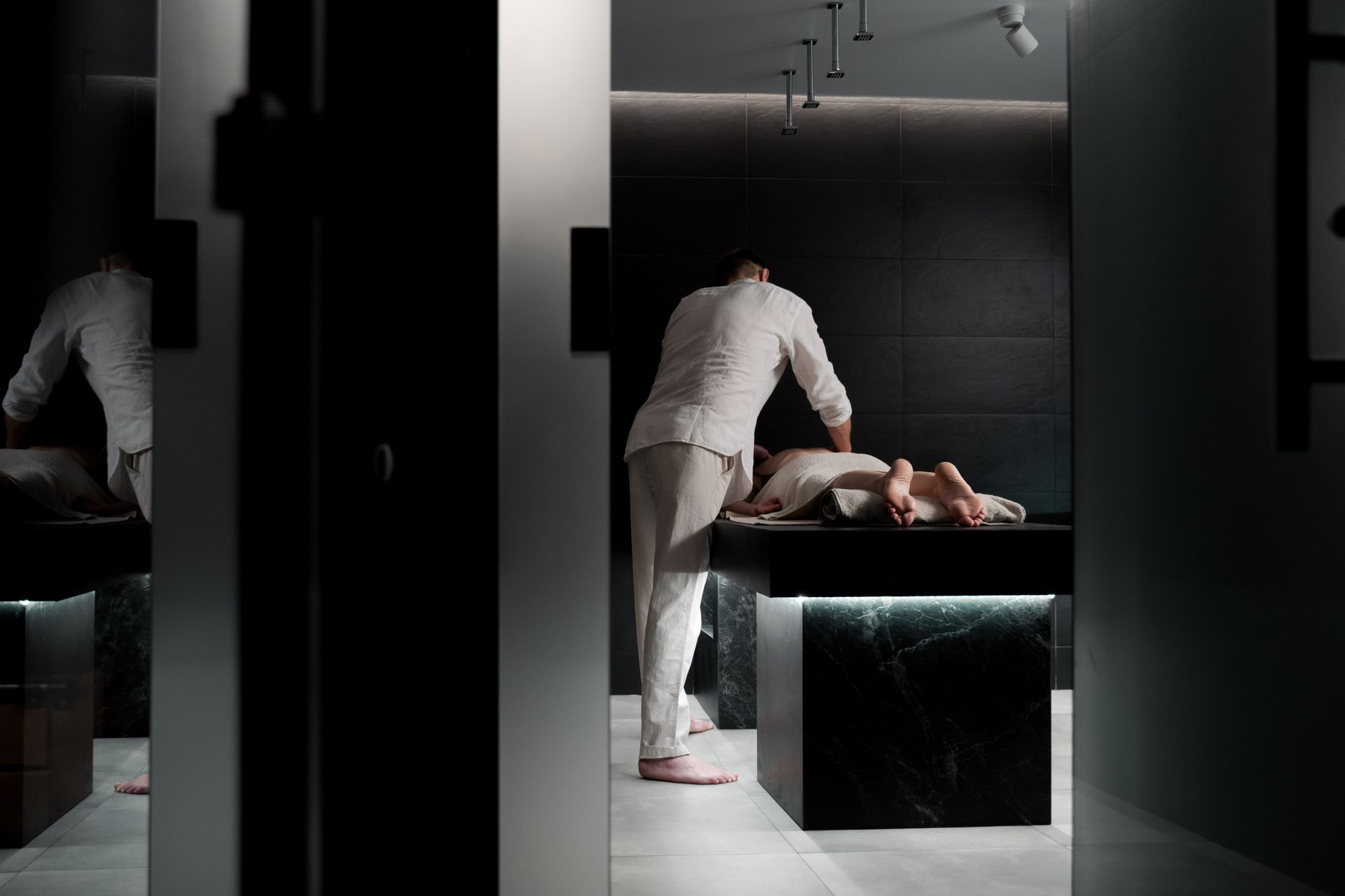
Possible discussion formats
- Deal Room – proposed meetings between investors and relevant businesses or projects, subject to programme curation.
- Feasibility Workshops – sessions on occupancy, length of stay and clinical utilisation in hospitality-led assets.
- Operator Showcases – clinic groups, resort operators and diagnostics providers presenting expansion plans to capital partners.
- Accreditation Panels – licensing, clinical standards, medical data transfer and continuity of care across borders.
- Referral Network Sessions – insurers, employers and facilitators setting out what they require before directing patients.
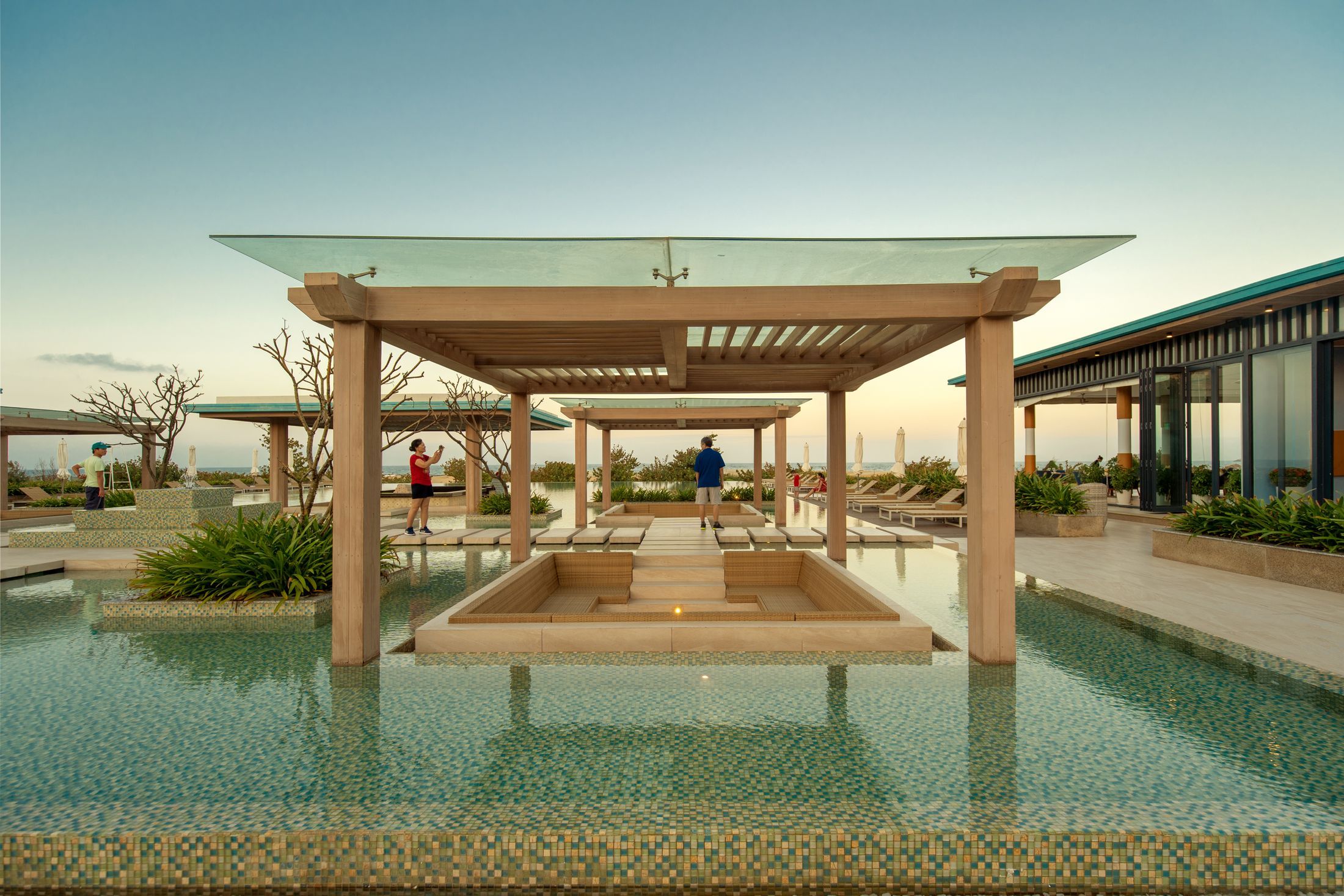
Relevant Perspectives
- Hospital groups and clinic operators
- Hotel, resort and branded residence developers
- Destination marketing organisations and tourism authorities
- Accreditation bodies and clinical standards assessors
- Insurers, employers and medical travel facilitators
- Real estate funds and hospitality asset owners
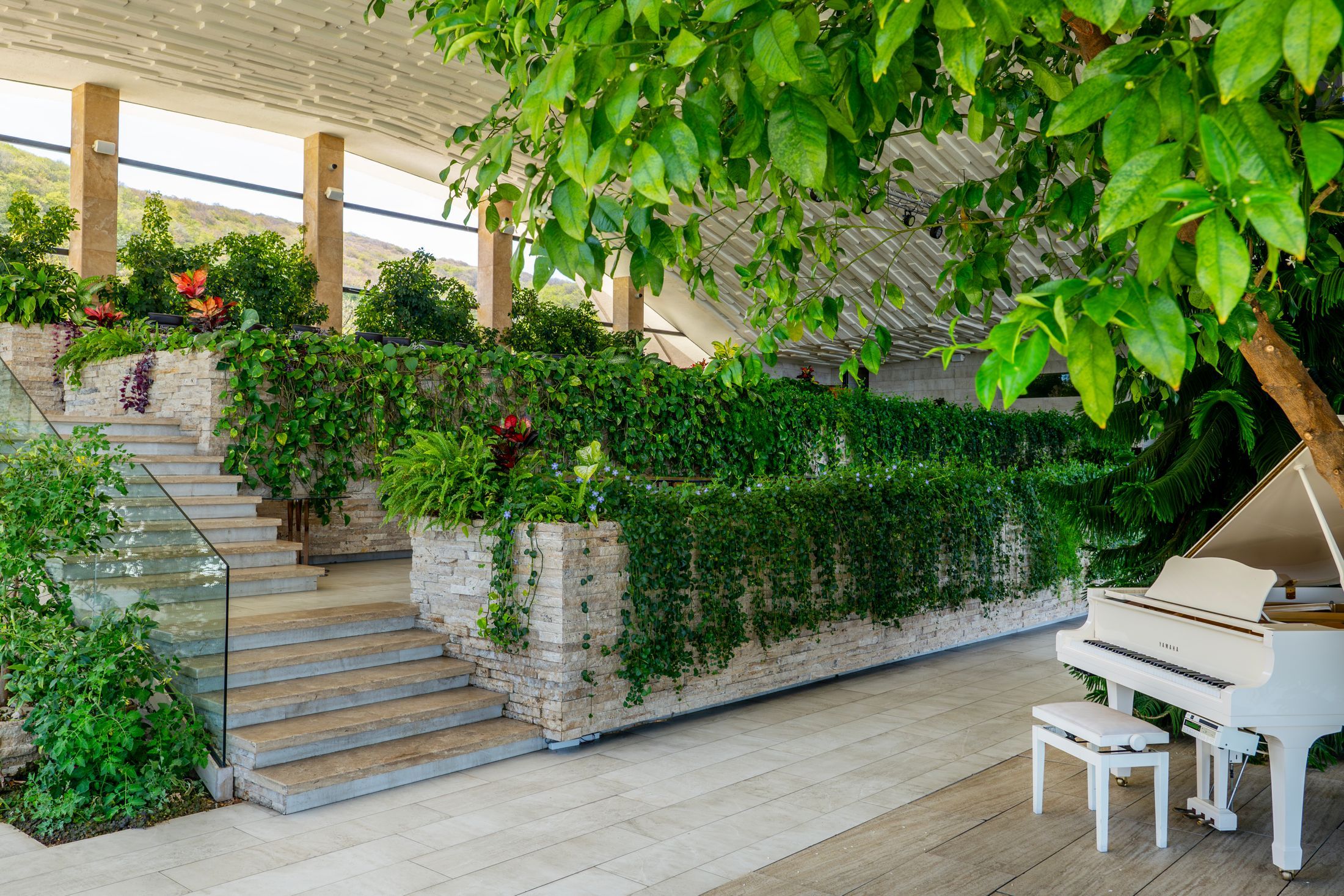
The Future of Longevity Tourism Investment
- Programme Design – how one-off visits and continuing services meet different visitor needs.
- Mixed-Use Assets – the practical relationship between accommodation, wellness spaces and clinical facilities.
- Corporate Participation – how organisations assess the purpose and suitability of executive health services.
- Measured Outcomes – how claims about health benefits can be supported and communicated accurately.
- Standards and Continuity – the clinical responsibilities, records and follow-up arrangements behind a service.
- Clinical Talent – the expertise and staffing needed to deliver the healthcare elements of a destination.

Questions to bring to GLIF
- How does a destination distinguish clinical care from general wellness?
- What evidence and standards should a health programme provide?
- How can operators plan for follow-up care after a visitor returns home?
Global Longevity Investors Forum (GLIF). A Global Investors Forum Platform.
This investment-sector topic connects to the five strategic tracks of the proposed GLIF programme. Explore the agenda for the current programme outline.
Explore the five strategic tracks
Further reading
Why attend
For hospitality and destination teams
Discuss where healthcare and wellness fit into the experience you want to offer.
For clinics and service providers
Explain how your care or expertise could support a destination project.
For developers and investors
Ask about demand, delivery and the operating model behind a wellness concept.
Explore at the forum
- How can hospitality and healthcare teams work well together?
- What do guests and patients need before, during and after a visit?
- What makes a wellness destination distinctive and practical to operate?
Take part
- Explore destination wellness topics in the programme.
- Enquire about showing your service or technology in an experience zone.
- Ask about introductions relevant to your development or investment plans.
Activities are planned. Access depends on your pass, selection where applicable and the final programme.