About Regenerative Medicine
Regenerative medicine explores the repair and replacement of damaged tissue. This sector covers cell and gene therapies, tissue engineering and biotechnology, alongside the manufacturing, clinical and financing questions that determine how treatments reach patients.
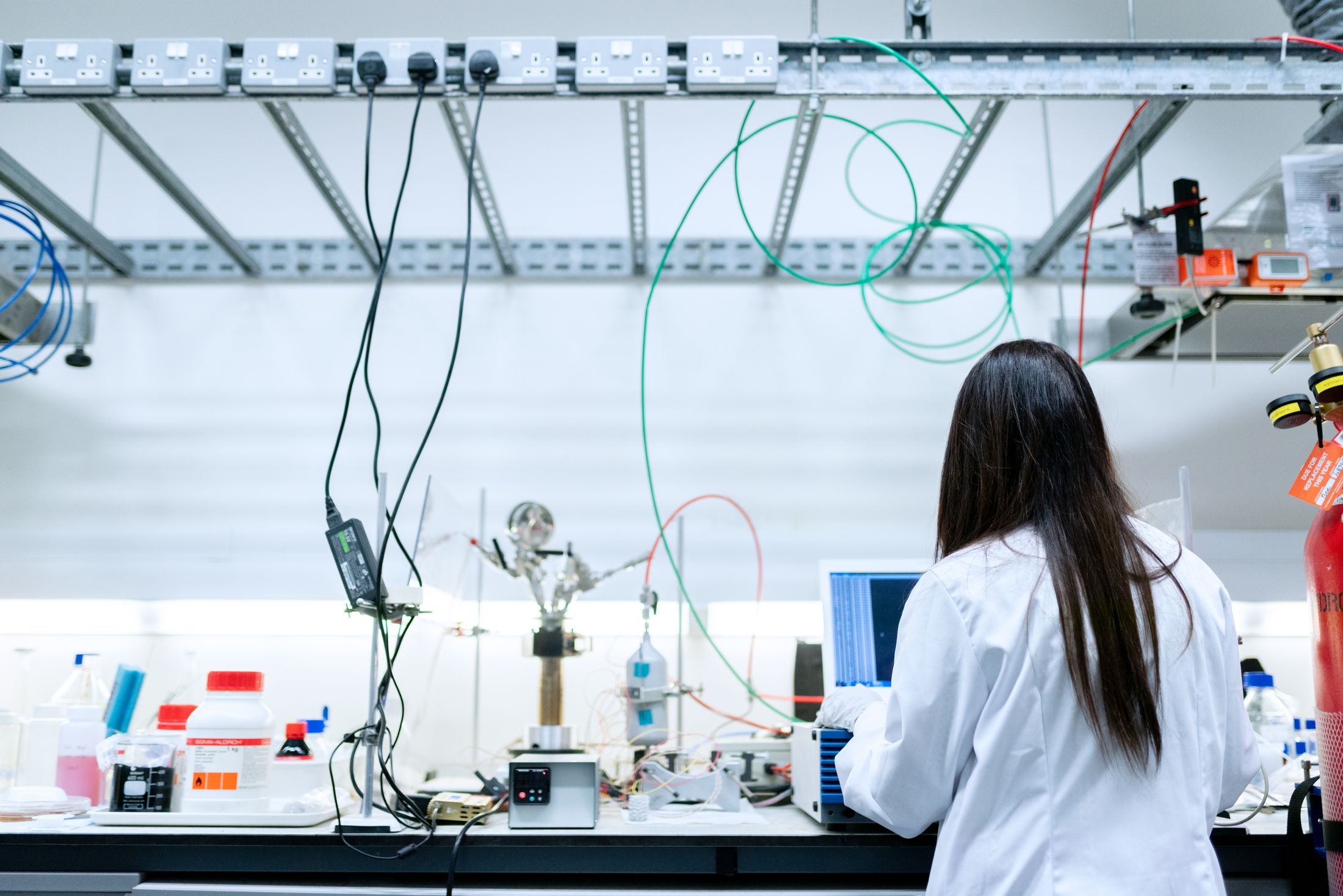
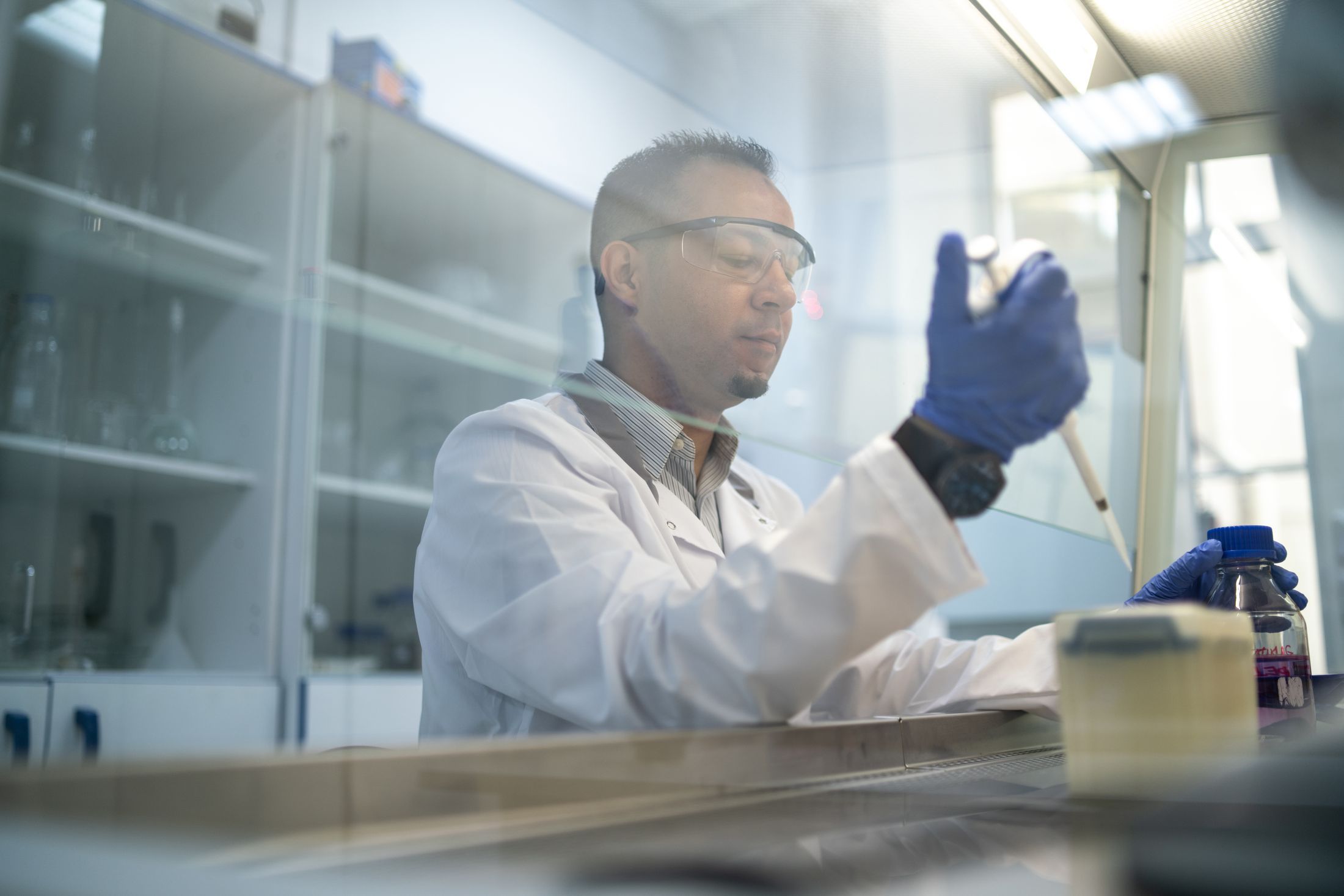
Regenerative medicine includes approaches that use cells, biological materials and other technologies to investigate tissue repair. Biotechnology also supplies tools used to develop and study these approaches. The businesses involved extend beyond a company developing a potential treatment: laboratories, specialist manufacturers, equipment suppliers and clinical research organisations can all contribute. Their work raises different questions about the product being developed, the facilities it needs and the expertise required to move it from an experiment into a carefully evaluated clinical application.
The route to a patient is an important part of the sector’s story. A treatment concept has to be studied, produced consistently, handled appropriately and delivered within a clinical setting. The practical requirements depend on the particular product. Researchers, manufacturers and healthcare teams need to understand how their parts fit together. A project that is compelling in the laboratory can still face questions about production, delivery and clinical evidence. Those questions help explain why scientific progress and business development do not always move at the same pace.
Moving research into care
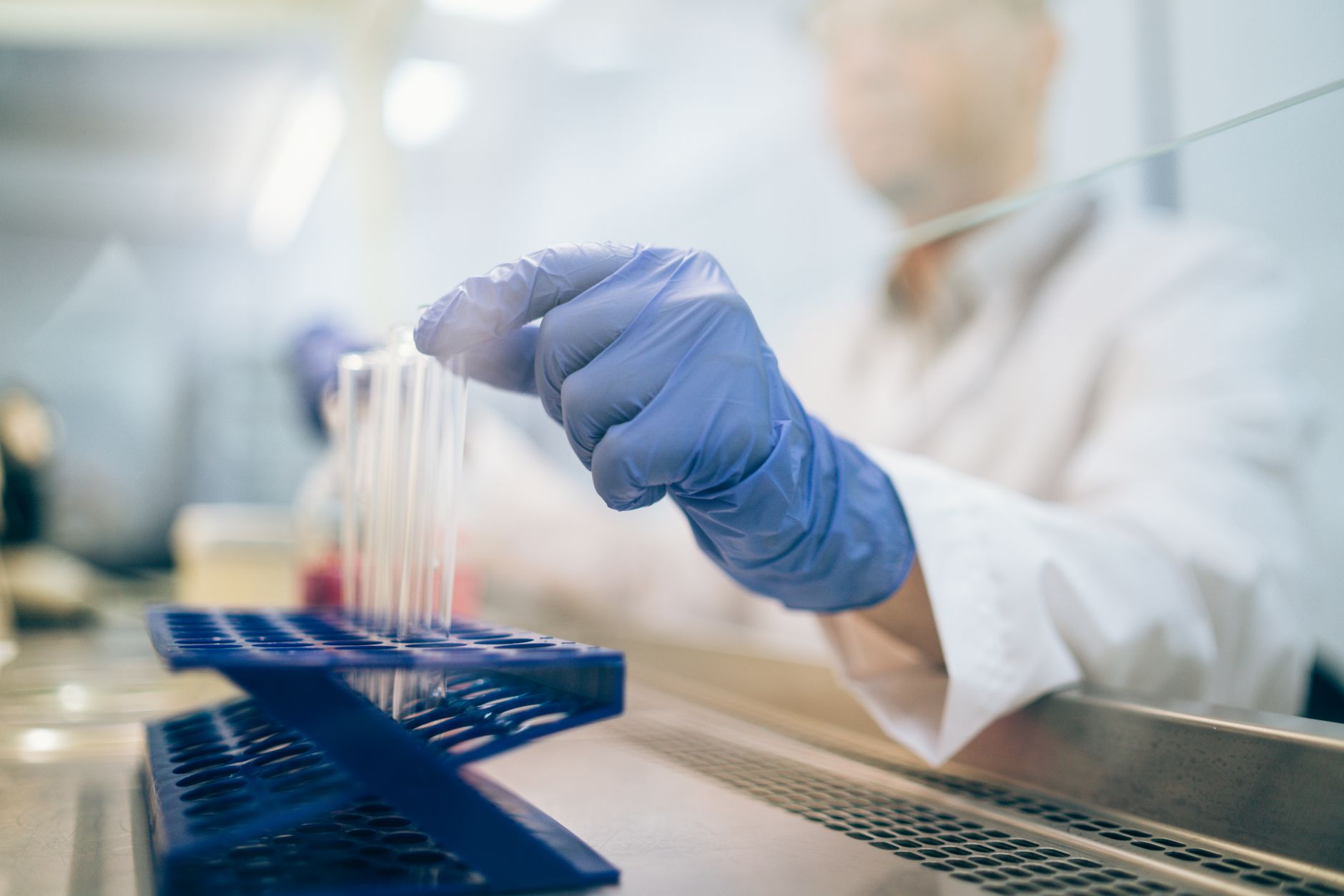
A promising therapy needs more than a laboratory result. Clinical evidence, regulatory review, manufacturing capacity and reimbursement all matter. These are central questions for the researchers, businesses and investors working in regenerative medicine.
The distinction between research and established clinical use matters throughout this field. An experimental approach should be described by the evidence available for its intended use, rather than by the wider promise of regenerative medicine. A clear account of a project identifies what is being studied, which findings support the next step and what remains uncertain. Approval and clinical suitability relate to particular products and uses; they cannot be assumed from the sector label.
For businesses and prospective partners, development milestones provide a way to organise the discussion. A team may need research expertise, manufacturing support, clinical collaborators or funding for the next stage. Each need can be described alongside the work it would enable. GLIF offers a setting to explore these relationships across science, healthcare and investment. The useful conversation is specific: the project’s present stage, the work ahead and the capabilities a partner would bring.
Key Thematic Areas
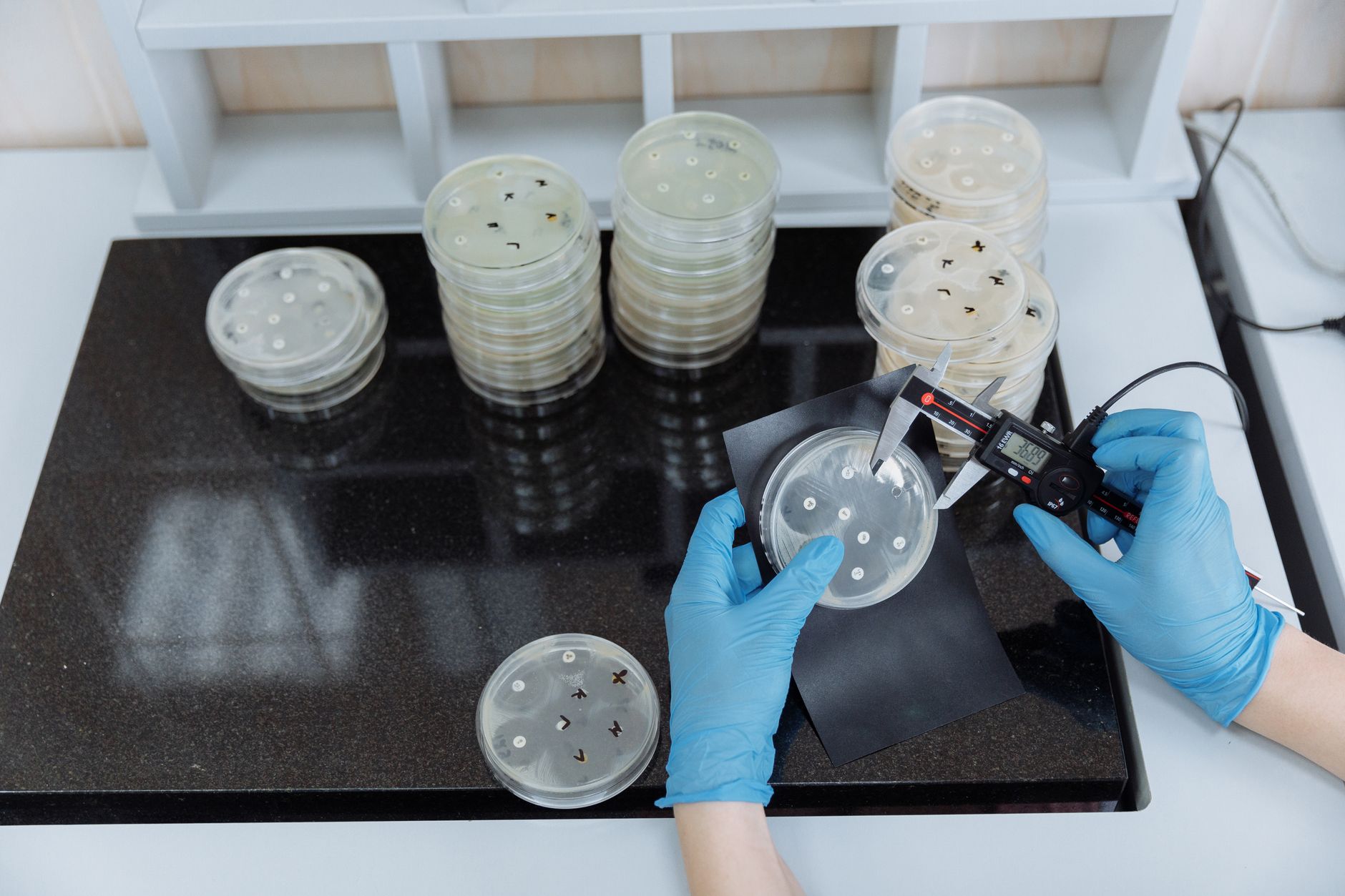
- Cell therapies and engineered immune cells.
- Gene therapy, gene editing and delivery systems.
- Tissue engineering, organ repair and biofabrication.
- Computational protein design and molecular engineering.
- Biomanufacturing, supply chain and cost of goods.
- Clinical translation, trial design and regulatory science.
Possible discussion formats
- Deal Room – proposed meetings between investors and relevant businesses or projects, subject to programme curation.
- Scientific Plenaries – principal investigators and clinical leaders setting out where the evidence stands.
- Translation Clinics – working sessions on regulatory pathways, trial design and the route to approval.
- Financing Roundtables – closed discussions on valuation, risk sharing and long development cycles.
- Signature Report – the planned Dubai Longevity Economy Report will examine longevity trends, technologies and investment opportunities.
Relevant Perspectives
- Biotechnology founders and chief scientific officers.
- Pharmaceutical business development and licensing teams.
- Contract development and manufacturing organisations.
- Specialist life sciences funds and royalty financiers.
- Regulators and health technology assessment bodies.
- Translational researchers and clinical trial investigators.
The Future of Regenerative Medicine Investment
- Platform Economics – how tools and delivery technologies could support more than one research programme.
- Manufacturing Capacity – the production expertise, quality controls and facilities a therapy requires.
- Broader Indications – whether findings in one condition can support carefully evaluated research in another.
- Outcome-Based Payment – how payment arrangements could relate to treatment delivery and measured outcomes.
- Sovereign Capability – the role of local manufacturing, research facilities and clinical expertise in healthcare development.
Questions to bring to GLIF
- What evidence does a therapy need before it can move into clinical care?
- How will it be manufactured and delivered?
- What funding and development partners does the next stage require?
Global Longevity Investors Forum (GLIF). A Global Investors Forum Platform.
This investment-sector topic connects to the five strategic tracks of the proposed GLIF programme. Explore the agenda for the current programme outline.
Explore the five strategic tracks
Further reading
Why attend
For researchers and biotech teams
Explain your evidence, your next milestone and the support needed to reach it.
For healthcare providers
Bring questions about clinical evidence, safe delivery and the limits of emerging approaches.
For investors and industry partners
Discuss development plans, specialist expertise and the resources a project needs.
Explore at the forum
- What evidence is needed to move from a laboratory result to a clinical study?
- How do manufacturing and delivery affect a project’s prospects?
- Where could research teams, healthcare providers and investors work together?
Take part
- Explore the science and biotech discussions in the proposed programme.
- Ask about investor introductions relevant to your project.
- Enquire about exhibiting your research, equipment or services.
Activities are planned. Access depends on your pass, selection where applicable and the final programme.