
About Healthcare Infrastructure
Healthcare infrastructure includes the places and systems needed to deliver care: hospitals, longevity clinics, specialist centres and diagnostic networks. This sector examines how those facilities are financed, developed and operated.
This sector covers the physical facilities and supporting systems through which healthcare is delivered. A hospital, an outpatient clinic, a diagnostic centre and a specialist care facility meet different needs. Their requirements vary with the services they provide, the people they serve and the teams who operate them. Development therefore begins with an understanding of care: which services are needed, how people will access them and how the proposed facility will connect with the wider healthcare network.
Buildings are only part of that picture. Equipment, staff, technology, maintenance and the organisation of services all affect how a facility works after it opens. The owner of a property and the organisation delivering clinical care may have different responsibilities. Equipment suppliers and specialist service providers add further relationships. A clear operating plan explains how those parties work together, which resources are needed and how the facility will support the care it is intended to provide over time.
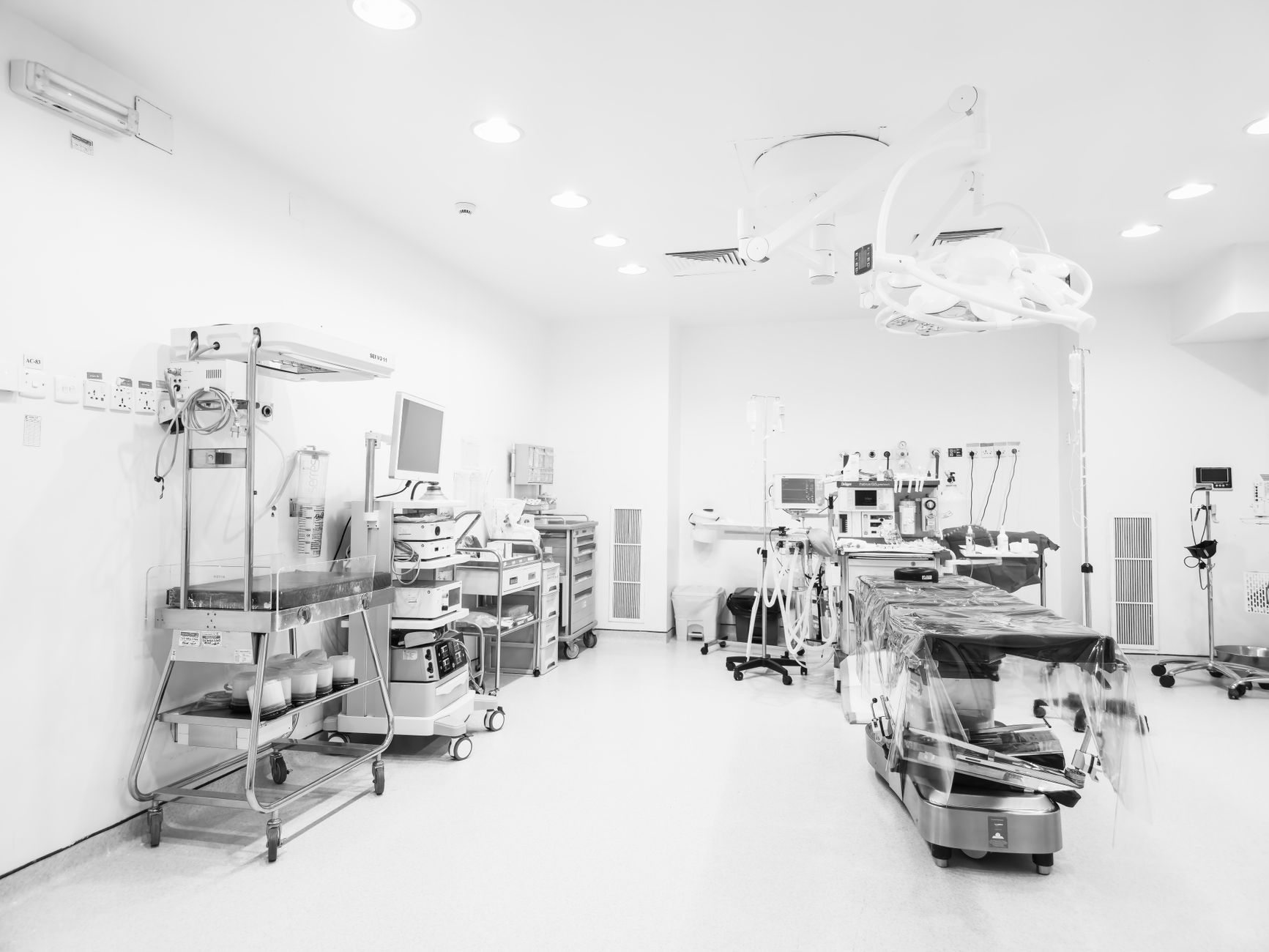
Planning capacity and care
A healthcare facility brings together clinical services, buildings, staff and technology. Investors and operators need to consider demand, licensing, financing and the long-term operating model together. Public-private partnerships are one of the structures explored in this sector.
Good planning considers the full path through a service. A diagnostic centre, for example, needs arrangements for appointments, testing, reporting and referrals. A specialist clinic needs a clear connection to other care when a person’s needs extend beyond its own services. These links matter alongside the location and physical design. They help explain why coordination between developers, operators and clinical teams is useful from the early stages of a healthcare project.
Investment discussions can then address the practical choices behind the plan. Is the project developing a new facility, expanding an existing service or upgrading equipment and systems? What needs to be in place before operations begin, and which responsibilities continue afterwards? At GLIF, healthcare operators, development teams and prospective partners can explore these questions together. The sector connects long-term physical assets with the day-to-day work of delivering care, so both deserve a clear explanation.
Key Thematic Areas
- Hospital development and acute care capacity
- Longevity and preventive health clinics
- Specialist care and centres of excellence
- Healthcare real estate and REIT structures
- Diagnostics, imaging and laboratory networks
- Public-private partnerships and concession models
Possible discussion formats
- Deal Room – proposed meetings between investors and relevant businesses or projects, subject to programme curation.
- Capital Stack Sessions – how sovereign, institutional, private equity and lender capital combine on a single asset.
- Operator Briefings – hospital groups and clinic platforms set out expansion plans and partnership requirements.
- Policy Roundtables – closed-door exchanges with ministries and regulators on capacity planning, accreditation and tariff design.
- Signature Report – the planned Dubai Longevity Economy Report will examine longevity trends, technologies and investment opportunities.

Relevant Perspectives
- Hospital group executives and clinic platform founders
- Infrastructure lenders and project finance teams
- Concession authorities and procurement officials
- Healthcare real estate developers and REIT managers
- Sovereign wealth funds and infrastructure fund principals
- Public health commissioners and licensing regulators

The Future of Healthcare Infrastructure Investment
- Preventive Assets – how screening, diagnostics and specialist clinics could fit into local healthcare provision.
- Financing Structures – how development, ownership and operating responsibilities can be organised among partners.
- Care Networks – the respective roles of hospitals, outpatient centres and community facilities.
- Operator Capability – the staffing, clinical services and management needed to support a facility.
- Technology as Infrastructure – how imaging, data systems and clinical software form part of a development plan.
Questions to bring to GLIF
- What services does a proposed healthcare facility need to deliver?
- How do operators, developers and funders share the work and risk?
- What should a project demonstrate before it seeks investment?
Global Longevity Investors Forum (GLIF). A Global Investors Forum Platform.
This investment-sector topic connects to the five strategic tracks of the proposed GLIF programme. Explore the agenda for the current programme outline.
Explore the five strategic tracks
Further reading
Why attend
For hospital and clinic operators
Discuss expansion plans, operating needs and the partners required to deliver them.
For developers and service providers
Explain how your facilities, systems or expertise could support healthcare projects.
For investors
Ask about demand, operating plans and the assumptions behind a healthcare project.
Explore at the forum
- What makes a hospital, clinic or specialist centre practical to operate?
- How should facilities, technology and care teams be planned together?
- Which partnerships can help a healthcare project move forward?
Take part
- Explore healthcare and investment sessions in the proposed programme.
- Enquire about investor meetings for your project.
- Discuss exhibition or partnership options with the organising team.
Activities are planned. Access depends on your pass, selection where applicable and the final programme.