About AI & Digital Health
AI and digital health span diagnostics, clinical software, drug discovery and remote monitoring. This sector looks at the tools and data systems involved, and the clinical, operational and investment questions around their use.
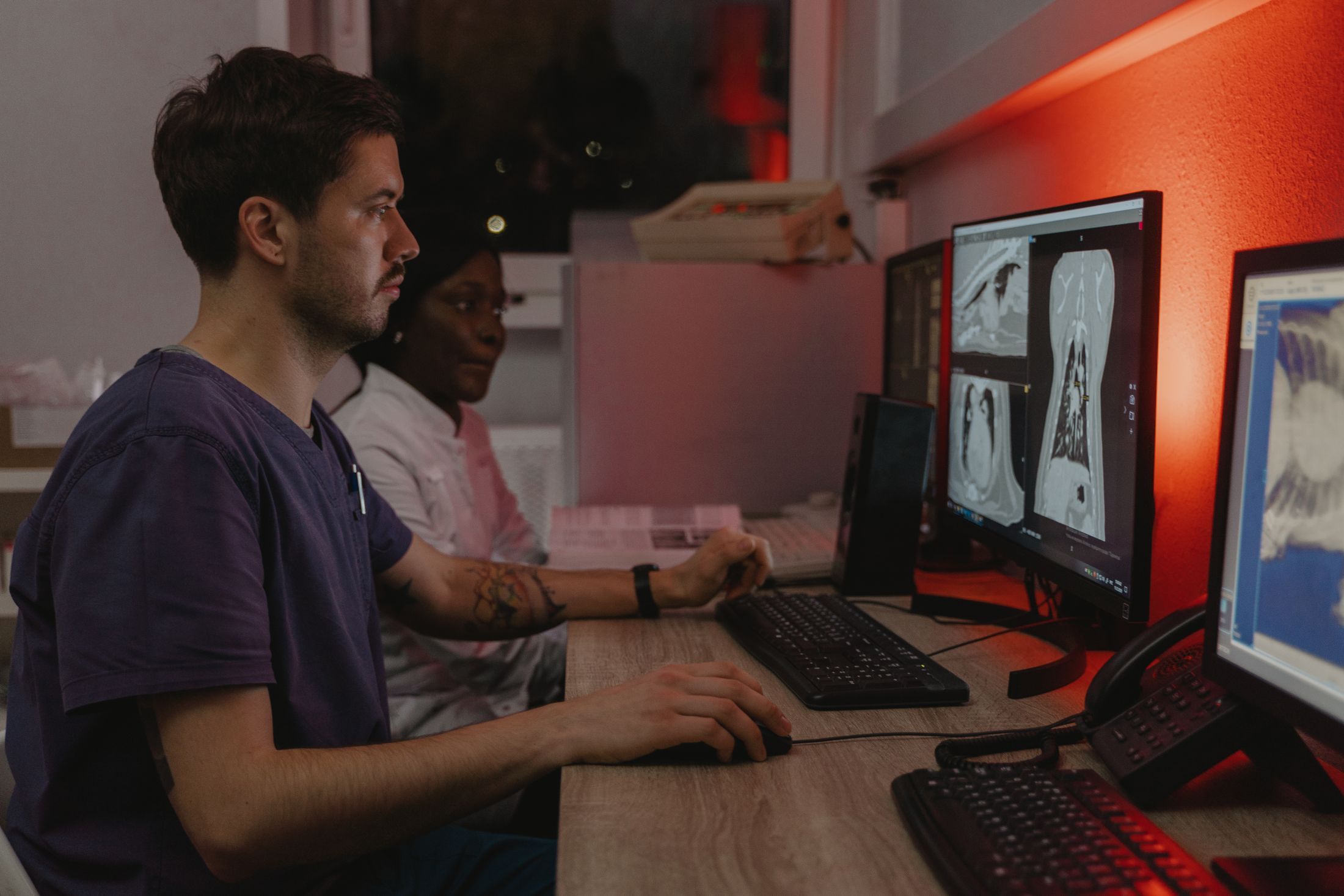
Digital health covers a wide range of products, from software supporting clinical work to tools for appointments, communication and remote monitoring. AI may be one part of those products, rather than the whole service. A system that helps organise a clinic has a different purpose from one that assists with the interpretation of a medical image. Understanding the intended task, the people using the tool and the decisions it affects is essential to understanding what the business actually offers.
The sector also includes the connections between devices, software and healthcare organisations. A monitoring service, for example, needs more than a device that records information. Someone must receive the information, understand it and respond when appropriate. A software provider may work with device makers, clinical teams and existing technology suppliers to make that process usable. These relationships shape the product’s development and the support it needs after launch, including training, maintenance and clear arrangements for the people who rely on it.

Evidence before adoption
A useful technology also needs a route into care. Clinical validation, workflow integration, data governance and reimbursement shape whether a tool can be adopted. These questions connect developers, clinicians, health systems, regulators and investors.
A product demonstration can show an idea clearly, but everyday healthcare introduces further questions. Does the tool fit the way a team works? Can it exchange information with existing systems? Are its outputs understandable to the people expected to act on them? Evaluation should match the tool’s intended purpose and setting. Clinical uses require particular care in considering evidence and human oversight; administrative uses still need to demonstrate that they solve a practical problem.
Data handling, ongoing support and responsibilities also belong in the business discussion. Healthcare organisations need to understand how information is managed and how changes to a product will be assessed. Developers need a clear account of who buys the service, who uses it and what support is included. At GLIF, these questions bring the conversation beyond a technology label and towards the work required to build, introduce and sustain a useful digital health service.
Key Thematic Areas
- AI-assisted diagnostics and medical imaging
- Clinical decision support at the point of care
- AI in molecule design and trial simulation
- Digital twins and in-silico modelling
- Remote patient monitoring and virtual wards
- Workflow automation and clinical documentation
- Health data infrastructure and governance
Possible discussion formats
- Deal Room – proposed meetings between investors and relevant businesses or projects, subject to programme curation.
- Clinical Validation Panels – regulators, clinicians and developers on the evidence needed to move an algorithm into routine care.
- Technology Demonstrations – live showcases of diagnostic, monitoring and discovery tools already in clinical use.
- Policy Roundtables – closed-door discussions on approval pathways, liability and cross-border health data rules.
- Closing Declaration – a proposed institutional statement on prevention, innovation, investment, partnership and healthspan.
Relevant Perspectives
- Regulators and health technology assessment bodies
- Chief medical information officers and clinical IT leads
- Payers, insurers and reimbursement decision-makers
- Medical imaging and device manufacturers
- Corporate venture arms and specialist health technology funds
- Clinical AI founders, researchers and data scientists
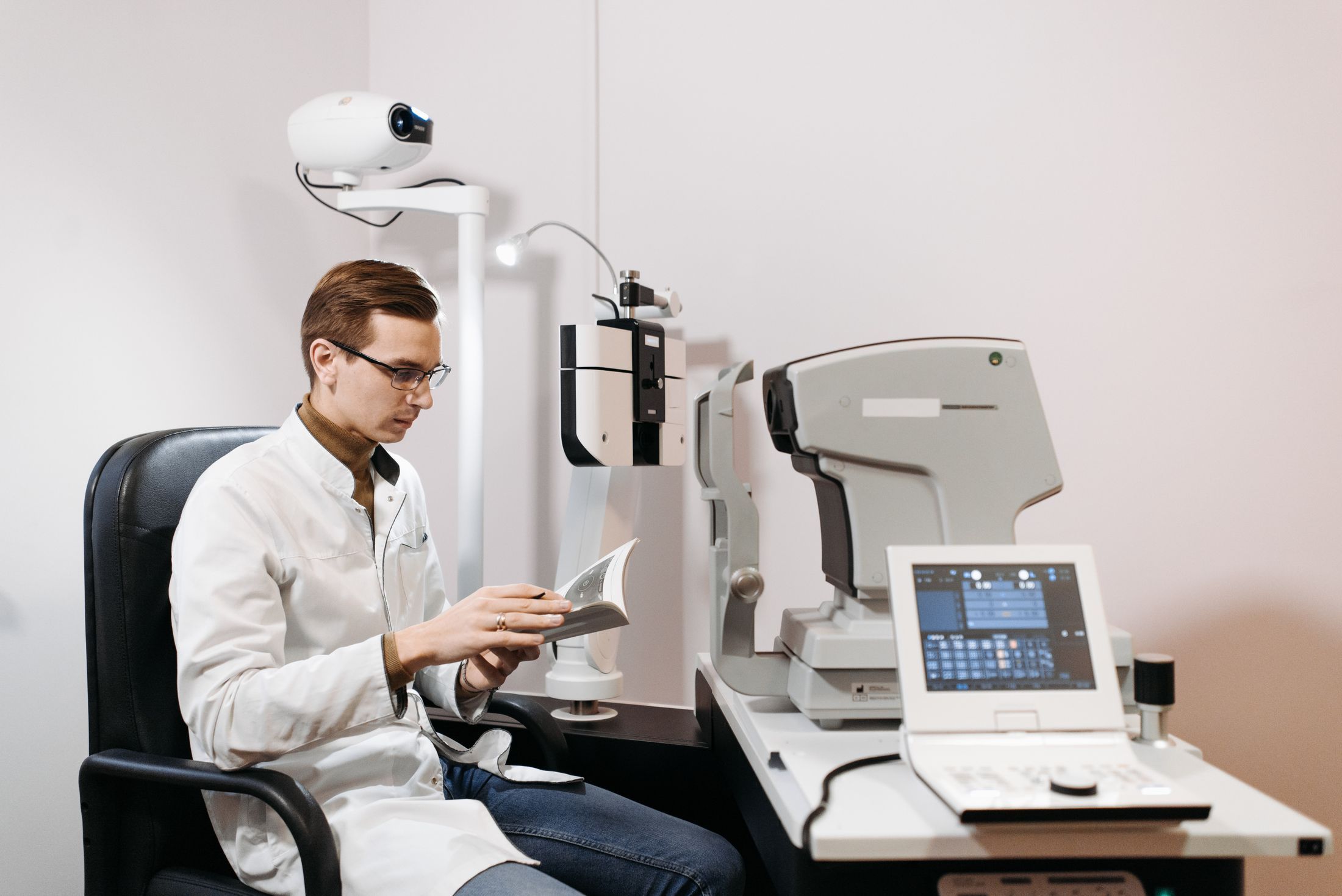
The Future of Digital Health Investment
- Scale of the Opportunity – how clinical needs, adoption and payment shape demand for a particular product.
- Discovery Tools – where computational methods could assist research and how their contribution can be tested.
- Care at Home – the monitoring, response and clinical support needed for services delivered outside a facility.
- Health Data Infrastructure – the systems and governance needed to manage information across organisations.
- Partnership and Integration – when healthcare organisations develop capabilities internally or work with technology providers.
- Assurance and Responsibility – how performance, oversight and accountability are maintained as products change.

Questions to bring to GLIF
- Does a tool improve a clinical decision or make care easier to deliver?
- How will its performance be tested and monitored?
- Who will use it, pay for it and take responsibility for its results?
Global Longevity Investors Forum (GLIF). A Global Investors Forum Platform.
This investment-sector topic connects to the five strategic tracks of the proposed GLIF programme. Explore the agenda for the current programme outline.
Explore the five strategic tracks
Further reading
Why attend
For founders
Explain the problem your product solves and discuss the practical steps to adoption.
For healthcare buyers
Bring questions about patient needs, staff workflows, data and operating costs.
For investors
Look beyond a product demo to discuss evidence, customers and the business model.
Explore at the forum
- Which healthcare tasks could digital tools improve?
- What makes a pilot useful enough to become part of everyday care?
- How should a business handle patient data, integration and trust?
Take part
- Enquire about a founder presentation to explain your product and progress.
- Explore exhibition options for showing how your technology works.
- Ask about meetings with people who share your business or investment interests.
Activities are planned. Access depends on your pass, selection where applicable and the final programme.